
What is IV Vitamin & Nutritional Therapy

IV Vitamin & Nutritional Therapy
IV Vitamin & Nutritional Therapy
Doctors also call this treatment parenteral nutrition.
A qualified health practitioner inserts an IV line. Then they deliver fluids, electrolytes, minerals, vitamins, amino acids, and other nutrients directly into your vein.
First, a registered health professional does a complete consultation and assessment. During this appointment, the practitioner looks at your health and medical history. After that, they decide if the service is suitable for you. Sometimes doctors choose this option when you cannot get enough food or drink by mouth, when your body cannot absorb nutrients well, or when eating and drinking feels unsafe.
Next, the IV system sends the chosen nutrients directly into your bloodstream. Because of this, the process completely skips your digestive system.
However, this is still an invasive medical procedure. A practitioner carries it out in a clinical setting. Like all IV treatments, it comes with some risks. These include:
- Infection at the insertion site
- Vein irritation
- Allergic reactions
- Fluid overload
During your consultation, your practitioner explains all possible risks. They also talk about any benefits that may apply to your personal situation and share other options.
In addition, everyone responds differently to this treatment. Therefore, it never replaces a balanced diet, proper medical care, or advice from your healthcare provider. Also, no one can guarantee specific results or benefits.
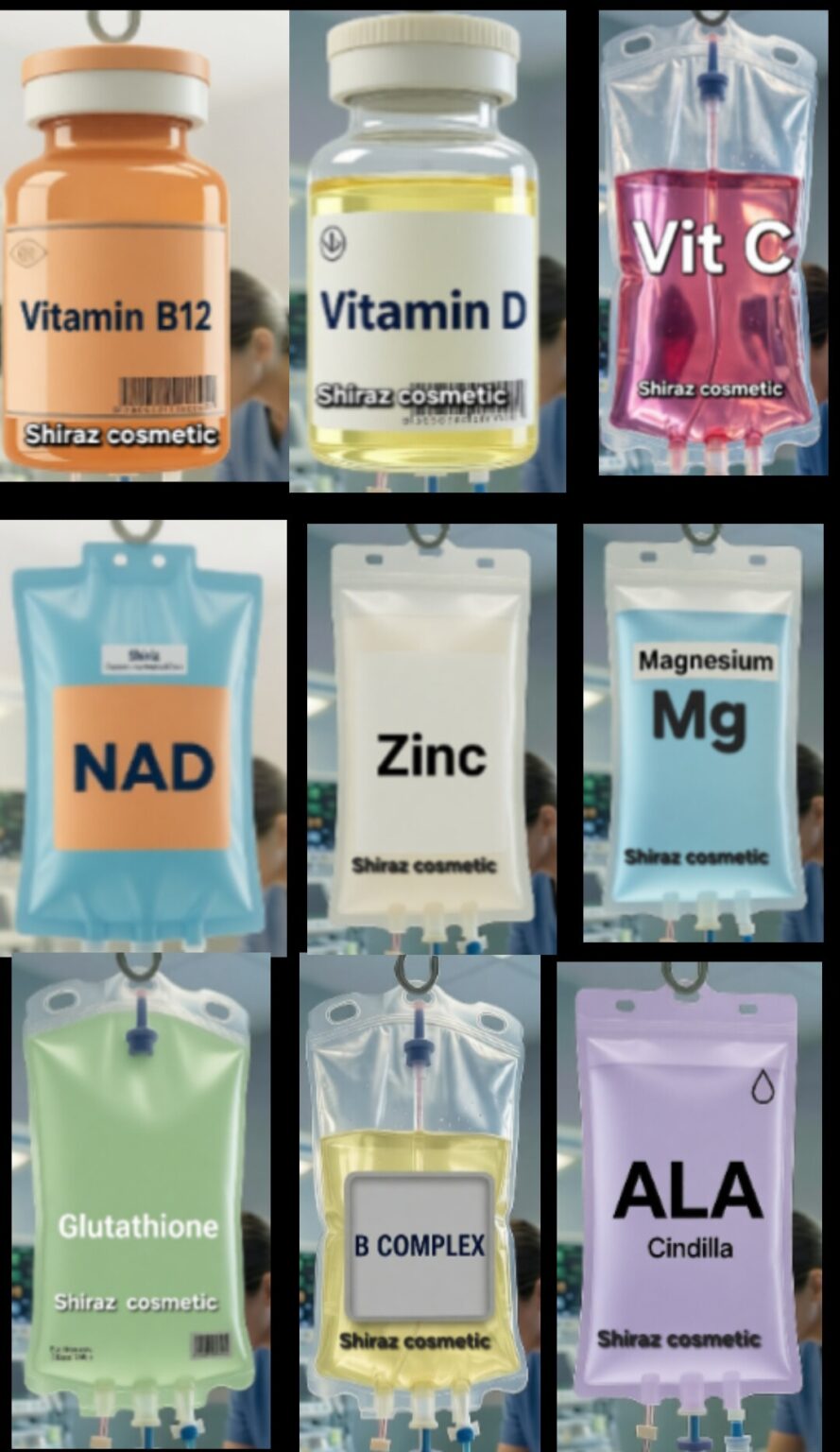
Our IV Vitamin Therapy Options Contain:
- Vitamin C
- Magnesium
- Glutathione
- Vitamin B12
- Vitamin B Complex
- Zinc
- Vitamin D
- Alpha Lipoic Acid
- Myers’ Cocktail
- Hydration fluids
If you are interested, book a consultation at Shiraz Cosmetic Clinic in Sydney. A qualified practitioner will carefully check whether this service is right for you.
Important This is a regulated health service. All information follows AHPRA guidelines and TGA requirements. You must have an individual assessment. This is not medical advice.

How Safe is IV Therapy?
Is IV Vitamin / Nutritional Therapy Safe?
Is IV Nutritional / vitamin Therapy Safe?
IV nutritional therapy is an invasive medical procedure. A practitioner inserts a needle into a vein. Then they deliver fluids, vitamins, minerals, or other nutrients straight into your bloodstream. Because it uses intravenous access, this procedure always carries some risks and possible complications.
First, a qualified health practitioner performs the treatment in a proper clinical setting. They carefully screen you, use good technique, and watch you closely to lower risks. However, no medical procedure is ever completely free of risk.
For example, you may experience these side effects:
- Infection at the needle site
- Vein irritation or swelling
- Allergic reactions to ingredients
- Too much fluid or electrolyte imbalance
- Bruising, pain, or fluid leaking into nearby tissue
In addition, some health conditions can make risks higher or make the treatment unsuitable. For instance:
- People with known allergies to certain nutrients should avoid infusions that contain those ingredients.
- Conditions like kidney disease, heart disease, high blood pressure, or G6PD deficiency often need extra care. In some cases, they make certain nutrients unsafe. For example, high-dose vitamin C can cause serious problems for people with G6PD deficiency.
Therefore, you need a full consultation with a registered health professional. During this meeting, the practitioner checks your medical history, reviews your current health, and looks for any risks. This step helps decide if the treatment is right for you and keeps risks low.
So, this service never replaces a healthy diet or proper medical care. Also, everyone responds differently. No one can promise specific results.
If you want more general information about IV therapies, check these trusted sources:
- The Mayo Clinic (articles on IV vitamin therapies and evidence)
- The National Institutes of Health (NIH)
Finally, always talk to your own healthcare provider before trying any procedure. They can give advice that fits your personal situation.

Ask Us a Question

 Online Marketing For Doctors